
Reviewed · KOCHI TUK-TUK SIGHTSEEING TOURS
Kochi Tuk-Tuk Tour with Pickup From Cruise Ships
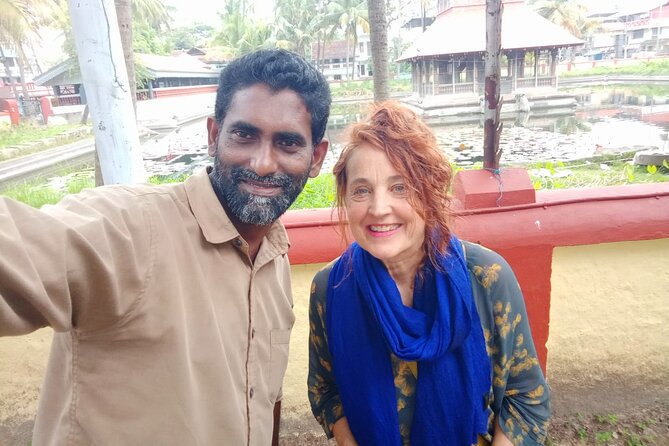
Three wheels, big Kochi energy. This cruise-ship pickup tour in Kochi moves fast through Fort Kochi’s key sights in an open-air tuk-tuk, with a local driver who explains what you’re seeing as you glide between stops. You get a practical mix of water views, old European-era landmarks, and everyday Kochi culture without getting stuck negotiating streets on your own.
I like the two big strengths here: the driver storytelling (a name that comes up is Feisal, praised for being clear and helpful), and the way the route packs major landmarks into a tight time window so you can see more than you would on a slow, separate sightseeing plan. One consideration: each stop is short (often 15–20 minutes), so if you want lots of time to linger, this is more about moving and sampling than sitting down for long visits—and it also requires good weather to run.
In This Review
- Key things to know before you go
- Why a tuk-tuk makes sense for Fort Kochi (and your port schedule)
- Getting on board: where you meet and how the day is paced
- Chinese Fishing Nets at Cheena Vala: what to look for in 20 minutes
- Fort Kochi Beach: a short breather with sea views
- The Dutch Cemetery: quiet scale and European-era clues in 15 minutes
- St. Francis Church (1503): the oldest European church feel, up close
- Santa Cruz Cathedral Basilica: one of Kerala’s eight basilicas
- Dhoby Khana Public Laundry: early 1700s community life in the middle of your sightseeing
- Bastion Bunglow near Vasco da Gama Square: a Dutch-built sea-facing structure from 1667
- Mattancherry Palace (Dutch Palace): Portuguese roots and Kerala murals
- Paradesi Synagogue (1568): the oldest active synagogue in the Commonwealth
- Cochin Spice Market: where you can smell the city
- Jain Temple and the noon pigeon-feeding moment
- Cochin Thirumala Devaswom Temple: a big socio-religious institution in Matta
- Price and value: why $14 can feel like a bargain on a port day
- The guide factor: Feisal’s impact on how you see Kochi
- What to pack and how to enjoy the ride without rushing yourself
- Who this tour is best for
- Should you book this Kochi Bro’s Tuk-Tuk tour?
- FAQ
- How long is the Kochi Tuk-Tuk tour?
- Where do we meet for pickup from the cruise ships?
- Is this tour private or shared?
- Do I need to print a ticket?
- What are some of the stops included during the tour?
- What time of day does the tour run?
- What happens if weather is bad?
- What is the cancellation policy?
Key things to know before you go
- Cruise-ship start point at Sagarika Cochin International Cruise Terminal on Willingdon Island, with return drop-off back at the meeting point
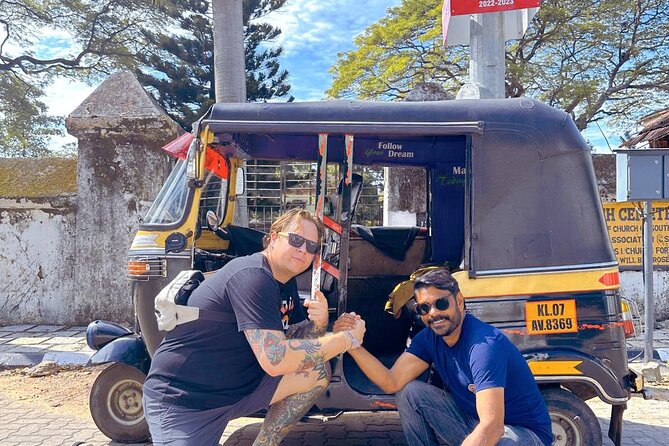
- Private group tour so only your party rides together
- A structured Fort Kochi route with quick, timed stops from Chinese Fishing Nets to churches, synagogues, temples, and the spice market
- Mobile ticket for a smoother check-in day
- Driver-led context that helps you understand what you’re looking at, not just what to photograph
Why a tuk-tuk makes sense for Fort Kochi (and your port schedule)
Kochi rewards people who pay attention to small details. The easiest way to do that is with transport that can thread its way through neighborhoods without turning your day into traffic chess. A tuk-tuk is perfect here because it’s open-air enough to feel the city as you move, and it keeps you close to street life while you travel between landmarks.
The biggest benefit for cruise passengers is time control. This tour runs about 4 to 5 hours, which matches the realistic rhythm of a port day. You’re not trying to stretch a half-day into a full-day sightseeing mission.
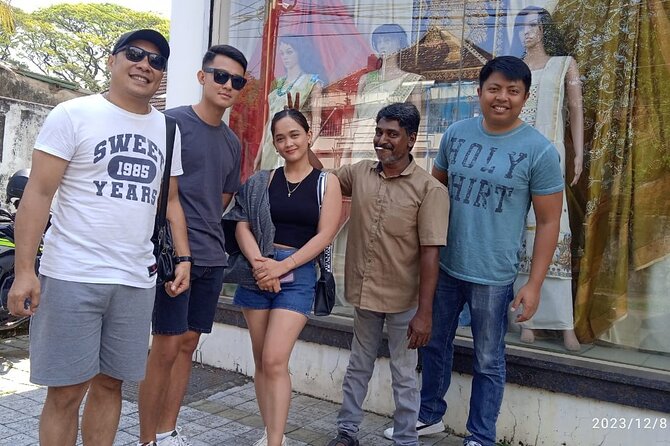
And because it’s private, your ride stays focused on your group. No loud drop-offs at random times. No waiting around while someone else argues for one more shop stop. Your driver’s job is to get you to the right places, in the right order, with enough explanation to make the stops matter.
Getting on board: where you meet and how the day is paced
Your meet-up point is Sagarika Cochin International Cruise Terminal on Willingdon Island. You’ll start there and the tour ends by returning you to the same meeting point. That matters on cruise days because walking time and getting lost are the two silent killers of a good plan.
The day’s timing is designed around travel time between stops, not just a list of sights. That’s why you’ll notice each location gets a set visit window, then you move on. Plan your expectations around that: you’ll see a lot of Kochi, but you’ll sample each stop rather than treat it like a long museum visit.
Also, it’s a mobile ticket experience, so you don’t need to wrestle with paper. Confirmation happens at booking time, which helps if you’re managing a busy cruise schedule.
More of the city by auto-rickshaw, weaving from the harbour front to the old quarters.


Chinese Fishing Nets at Cheena Vala: what to look for in 20 minutes
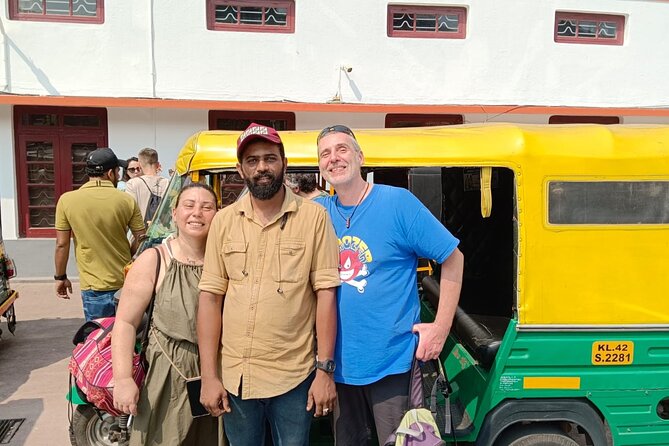
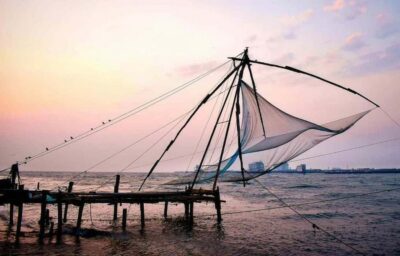
The ride begins at the Chinese Fishing Nets (Cheena vala). These aren’t just a photo backdrop. They’re stationary lift nets—fixed installations along the shore designed for fishing. In other words, you’re looking at a piece of working maritime infrastructure, not a purely decorative viewpoint.
In a 20-minute stop, your best move is to get oriented quickly:
- Look at the structure and how the nets are set up along the waterline
- Note how they connect to the shoreline and coastline activity around them
The only downside is simple: 20 minutes goes quickly here. If you like slow, lingering waterfront scenes, you’ll feel a little rushed. But for cruise timing, it’s a strong opener because it anchors the whole day in Kochi’s relationship to the sea.
Fort Kochi Beach: a short breather with sea views
Next is Fort Kochi Beach, scheduled for about 20 minutes. It’s known as the Queen of the Arabian Sea, and even when the wind is doing its thing, the shoreline is an easy reset for the senses. This is the stop that helps the earlier net-and-city feeling settle into something calmer.
Practical tip: use this time to adjust your plans for the rest of the route. If you’re photos-heavy, you’ll want to know where the light feels best for your camera. If you need a quick restroom break and water top-up, this is a good moment before more walking through historic sites.
More shore excursions timed to the Cochin cruise terminal, back before the ship sails.
- Kochi Sightseeing Tuk-Tuk Tour with Pickup From Cruise Ships
★ 5.0 · 194 reviews - Kochi Tuk-Tuk Sightseeing Tour with Cruise Ship Pickup
★ 5.0 · 190 reviews - Kochi Tuk-Tuk Private Tours with Pickup from Cruise Ships
★ 5.0 · 181 reviews - Kochi Tuk-Tuk Tour with Pickup From Cruise Ships
★ 5.0 · 155 reviews - Tuk Tuk Kochi Tours with pickup from Cruise Ship
★ 5.0 · 151 reviews - Exclusive Kochi Tuk Tuk Tour Including Pickup from Cruise Ships
★ 5.0 · 113 reviews
The Dutch Cemetery: quiet scale and European-era clues in 15 minutes
The Dutch Cemetery is a short, 15-minute stop. It’s famous for the imperial inhabitants buried there long ago—people who left their homelands centuries earlier to expand and manage their own empire.
In this limited time window, don’t try to read everything. Instead, focus on what the site suggests:
- How colonial-era communities left physical marks that still shape the area
- The mood shift you get when you move from busy streets to a more solemn, arranged space
This stop is one of those places where you can learn a lot with very little time, if you’re willing to slow down for a few minutes and actually look.
St. Francis Church (1503): the oldest European church feel, up close
The tour includes Church of Saint Francis in Fort Kochi, originally built in 1503. It’s described as one of the oldest European churches in India, and it’s also known for standing as a silent witness to European colonial presence.
For a 20-minute visit, you want to choose one goal:
- Take in the façade and exterior details first
- Then spend a few minutes on the interior, if it’s accessible, focusing on how old European religious architecture was carried into India
This stop tends to hit best when you treat it like history you can physically stand next to, not like a checklist item. If you’re traveling with kids or you hate long religious visits, you might find this one short but worthwhile.
Santa Cruz Cathedral Basilica: one of Kerala’s eight basilicas
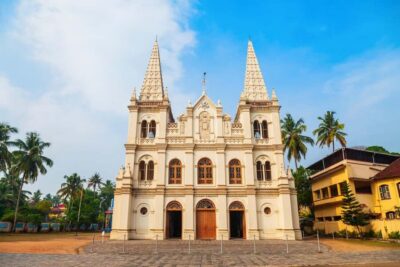
Then comes the Santa Cruz Cathedral Basilica. It’s noted as one of the eight basilicas in Kerala, and it’s also described as one of India’s fine and impressive churches.
In practice, this is the part of the day where the architecture starts to feel like a theme rather than separate stops. You’re comparing how different European-style churches show themselves in materials, structure, and location within Fort Kochi.
In a 20-minute window, you won’t do deep study. But you can still see enough to understand why people include multiple churches in the same half-day—because you’re watching the neighborhood’s layered influences appear in different ways.
Dhoby Khana Public Laundry: early 1700s community life in the middle of your sightseeing
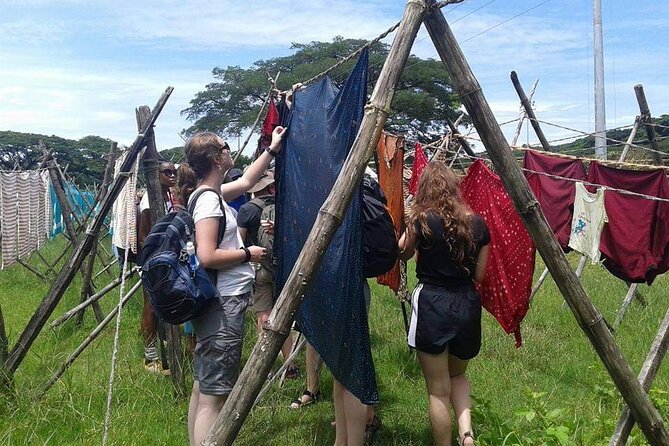
Next is Dhoby Khana Public Laundry, a communal laundry founded in the early 1700s. The concept is simple and worth noticing: washing clothes at a central community location.
You might expect this sort of stop to feel random on a historic tour, but it doesn’t. It gives you a Kochi that’s not frozen in colonial postcards. It’s people doing daily work, in a space that has existed for a long time.
The visit time is about 20 minutes. That’s enough to observe the setting and see how the process works at a glance. The only consideration: if you’re sensitive to the smells and sounds of active laundry life, plan your camera angle and keep your expectations realistic.
Bastion Bunglow near Vasco da Gama Square: a Dutch-built sea-facing structure from 1667
Bastion Bunglow is a sea-facing Dutch heritage structure built in 1667, located near Vasco da Gama square. It’s scheduled for about 20 minutes.
This is one of those stops where the “why” matters. When you see a sea-facing Dutch building that old, you understand the strategy behind European presence here—watch the coastline, control the shipping routes, and establish a stable foothold.
If you’re hoping for a grand museum experience, you might be disappointed by how much time is spent outside and how limited the visit window is. But as a visual and historical waypoint, it’s strong.
Mattancherry Palace (Dutch Palace): Portuguese roots and Kerala murals
The tour heads to Mattancherry Palace, also known as the Dutch Palace. It’s described as Portuguese in origin and famous for Kerala murals depicting portraits and exhibiting the Rajas (royalty).
A 20-minute stop can be perfect for this kind of site if you handle it the right way. Don’t try to “finish” the palace. Instead, pick what you want to see:
- Find a mural scene and study the style
- Look for what the portraits and royal imagery are emphasizing
This kind of artwork can be easy to overlook when you’re in hurry mode. This time window works best when you slow down for a few minutes and actually let the details register.
Paradesi Synagogue (1568): the oldest active synagogue in the Commonwealth
The route includes Paradesi Synagogue, described as the oldest active synagogue in the Commonwealth of Nations. It was constructed in 1568, and it’s recognized as one of the seven synagogues of the Malabar Yehudan Jewish community.
This is a powerful contrast within the day. You’ve spent time at European Christian landmarks; now you’re standing in a major Jewish site that’s still active. That shift makes the whole tour feel more complete as a city snapshot rather than a single-culture story.
In 20 minutes, aim for presence over perfection. Look carefully at what’s around you, and treat the space respectfully. If it’s open for visitors, you’ll usually be able to see enough in that timeframe to understand why this synagogue is considered historic on a broad scale.
Cochin Spice Market: where you can smell the city
At Cochin Spice Market, you’ll get around 20 minutes in a down-to-earth shop environment where spices are sold in bulk. It’s framed as an everyday market stop with polished displays and a variety of exotic spices.
Even if you don’t buy anything, this is a good sensory break. Spices aren’t just souvenirs; they connect to cooking, preservation, and trade history. And in a tour that mixes religion, colonial buildings, and maritime landmarks, this market gives you a different angle on what made Kochi important.
If you do buy spices, keep your expectations practical. In a short stop you can:
- Compare a few common blends
- Ask basic questions about what you’re actually tasting
Don’t feel pressure to purchase on the spot. Use the time to understand the options, then decide later.
Jain Temple and the noon pigeon-feeding moment
Next is the Jain Temple, described as a major Jain pilgrimage site with a pigeon show and feeding held every day at noon. The temple is described as beautifully tiled with white marble.
This stop can be a highlight if your timing lines up with the feeding. The tour schedule includes a 20-minute visit window, but the day’s exact clock can vary based on travel and priorities.
If you’re traveling at a time close to noon, this is the stop to watch closely. If not, you can still enjoy the structure and the setting, even if the feeding ritual isn’t happening during your window.
Either way, it’s one more reminder that Kochi isn’t only about European-era landmarks. Daily religious practice is part of the city’s core rhythm.
Cochin Thirumala Devaswom Temple: a big socio-religious institution in Matta
The tour finishes with Cochin Thirumala Devaswom Temple, also called Gosripuram. It’s described as the biggest and most important socio-religious institution of Gowda Saraswat Brahmins of Kerala. The temple is situated at Cherlai in the heart of Matta.
This stop rounds out the day by emphasizing local religious identity and community structure. It’s also a helpful contrast to the other worship sites: different traditions, different architecture, and a different sense of what the place means to people who live nearby.
With only 20 minutes, you’ll get the atmosphere and key visuals, but you won’t get a long, guided deep explanation. Still, this kind of final stop can make the whole ride feel like a well-balanced city circuit.
Price and value: why $14 can feel like a bargain on a port day
At $14.00 per person, this tour is priced like a practical cruise-day option, and that’s the right mindset. The value isn’t just the route. It’s the way the day is structured: pickup from the cruise terminal, a private group, and a full set of major stops that would be annoying to stitch together with local transport in limited time.
Also, the average booking window is about 35 days in advance, which suggests demand. That often happens when a tour is reliable for cruise schedules and doesn’t require a lot of guesswork. If your ship is in Kochi on a busy day, booking early gives you better odds of fitting the timing.
In short: you’re paying for convenience plus guided context, not for a slow, all-day museum marathon.
The guide factor: Feisal’s impact on how you see Kochi
One of the strongest signals from the positive experiences is the driver’s ability to explain things in a way that makes the stops click. A local name that shows up is Feisal, highlighted for being very knowledgeable and for bringing you to parts of Kochi you’d likely miss if you relied only on your own wandering.
That matters more than it sounds. Without a guide, you might see church doors and old walls and think you’re looking at random sights. With good explanation, each stop becomes a clue in a larger story about trade, architecture, community, and daily life.
This is also one reason the short stop durations work. When someone can point out what to notice quickly, you don’t feel like you’re being rushed. You feel like you’re being guided.
What to pack and how to enjoy the ride without rushing yourself
Because this is an open-air tuk-tuk style experience, you’ll want to think about comfort:
- Lightweight layers, since the air can change through the day
- Sunscreen and water, especially when you move between outdoor waterfront spots and religious sites
- Comfortable shoes for short walks at each stop
If you want photos, plan for quick transitions. You’ll be hopping between places that have very different visual styles—from sea nets to church façades to markets and temple interiors. Having your camera ready, but not frantic, makes the day feel smooth.
And since you’re visiting multiple religious spaces, treat them like you would at home: keep your voice down and watch for any rules on photography or entry. Even if details aren’t listed, basic respect goes a long way.
Who this tour is best for
This works best if you:
- Are on a cruise day with limited time and want a city snapshot that includes both famous and practical Kochi stops
- Prefer a private experience where your group stays together
- Like guided context and short stops that keep the pace moving
It may not be ideal if you:
- Want long, slow time in just one area
- Need lots of downtime between stops
- Get frustrated when a schedule depends on good weather
Should you book this Kochi Bro’s Tuk-Tuk tour?
Yes, if you want a smart, cruise-friendly way to see Fort Kochi’s big mix: sea nets, European-era landmarks, a working laundry stop, a spice market, and key temples and synagogues—all in about half a day.
I’d especially book it if you like structure. This tour is designed so you’re not guessing where to go next. The combination of a short timed circuit and driver-led explanation makes the $14 price feel more like a time-saver than a bargain stunt.
If your priority is to linger in one museum or one church for a long, quiet session, you might want a different plan. But for a port day where you want variety and clear guidance, this is a strong fit.
FAQ
How long is the Kochi Tuk-Tuk tour?
It runs about 4 to 5 hours.
Where do we meet for pickup from the cruise ships?
The meeting point is Sagarika Cochin International Cruise Terminal, Willingdon Island, Kochi, Kerala 682003, India.
Is this tour private or shared?
It’s a private tour/activity. Only your group will participate.
Do I need to print a ticket?
No. You receive a mobile ticket.
What are some of the stops included during the tour?
Stops include Chinese Fishing Nets, Fort Kochi Beach, Dutch Cemetery, Church of Saint Francis, Santa Cruz Cathedral Basilica, Dhoby Khana Public Laundry, Bastion Bunglow, Mattancherry Palace, Paradesi Synagogue, Cochin Spice Market, Jain Temple, and Cochin Thirumala Devaswom Temple.
What time of day does the tour run?
The listed hours are 12:00 AM to 11:30 PM, Monday through Sunday.
What happens if weather is bad?
This experience requires good weather. If it’s canceled due to poor weather, you’ll be offered a different date or a full refund.
What is the cancellation policy?
You can cancel for a full refund up to 24 hours before the experience starts. If you cancel less than 24 hours before, the amount paid is not refunded.
More Tour Reviews in Kochi
- Adventure Tuk Tuk Tour in kochi – A Private Guided Tour with Hotel Pick up
★ 5.0 · 579 reviews - Cochin: Backwater Village Eco Boat Cruise with Lunch
★ 4.8 · 502 reviews - Full Day Backwater Village Punting Boat Cruise
★ 5.0 · 393 reviews - Kochi: Private Tuk-Tuk City Tour with Hotel Pickup
★ 4.8 · 292 reviews - 5 Days Luxury Kerala Tour with Houseboat Experience
★ 4.5 · 279 reviews
More Cochin Shore Excursions
- Kochi Sightseeing Tuk-Tuk Tour with Pickup From Cruise Ships
★ 5.0 · 194 reviews - Kochi Tuk-Tuk Sightseeing Tour with Cruise Ship Pickup
★ 5.0 · 190 reviews - Kochi Tuk-Tuk Private Tours with Pickup from Cruise Ships
★ 5.0 · 181 reviews - Kochi Tuk-Tuk Tour with Pickup From Cruise Ships
★ 5.0 · 155 reviews - Tuk Tuk Kochi Tours with pickup from Cruise Ship
★ 5.0 · 151 reviews
More Kochi Tuk-Tuk Tours
- Adventure Tuk Tuk Tour in kochi – A Private Guided Tour with Hotel Pick up
★ 5.0 · 579 reviews - Kochi: Private Tuk-Tuk City Tour with Hotel Pickup
★ 4.8 · 292 reviews - Half Day Tuk Tuk Tour in Kochi – Private Tour with Hotel Pick up
★ 5.0 · 278 reviews - Funny and helpful Tuk Tuk Tour in Kochin
★ 5.0 · 240 reviews - Local Kochi Sightseeing Tuk-Tuk Tour
★ 5.0 · 228 reviews
Not quite it? More Kochi tours and Kerala day trips

Kochi Tuk-Tuk Sightseeing Tours, compared.
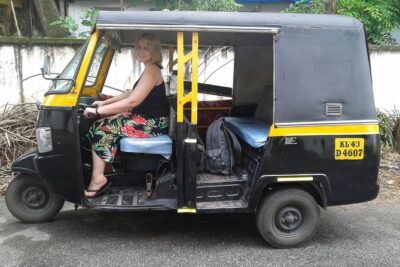 ★ 5.0Adventure Tuk Tuk Tour in kochi – A Private Guided Tour with Hotel Pick upFrom $14579 reviews
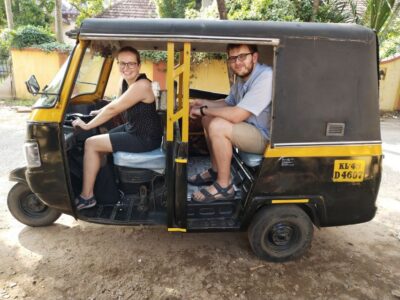 ★ 4.8Private Tuk-Tuk City Tour with Hotel PickupFrom $17292 reviews
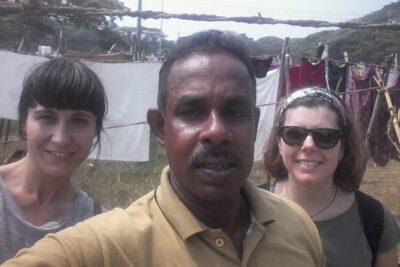 ★ 5.0Half Day Tuk Tuk Tour in Kochi – Private Tour with Hotel Pick upFrom $11278 reviews
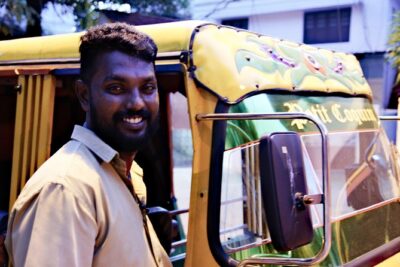 ★ 5.0Funny and helpful Tuk Tuk Tour in KochinFrom $16240 reviews
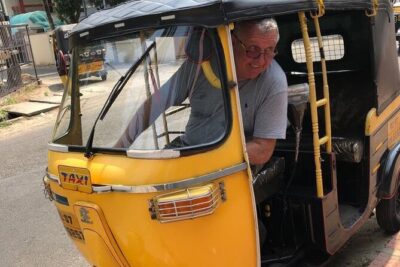 ★ 5.0Local Kochi Sightseeing Tuk-Tuk TourFrom $11228 reviews
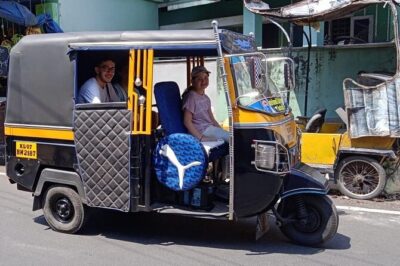 ★ 5.0Fortkochi Sightseeing Tuk-Tuk TourFrom $12205 reviews
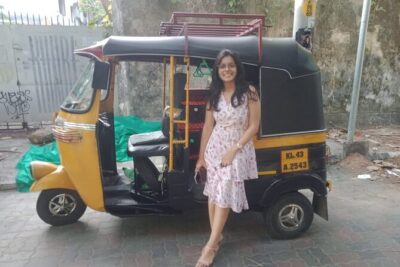 ★ 5.0Kochi Sightseeing Tuk-Tuk Tour with Pickup From Cruise ShipsFrom $11194 reviews
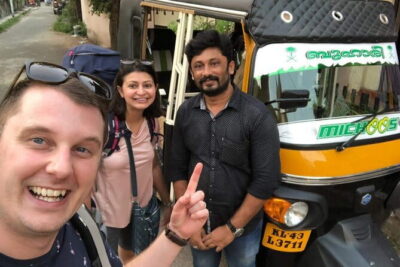 ★ 5.0Kochi Tuk-Tuk Sightseeing Tour with Cruise Ship PickupFrom $14190 reviews
Browse the lists this tour appears in