
Reviewed · KUMBALANGI VILLAGE LIFE TOURS
Cultural Tour To Vaikom Village
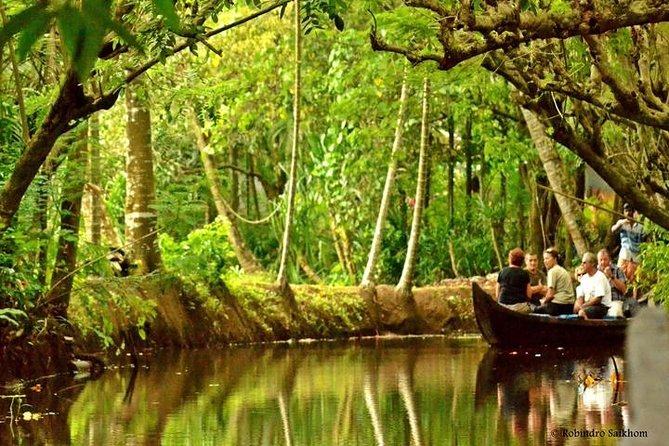
Kerala backwaters feel close here. I love how the day mixes a small canoe ride with village life, so you’re not just looking at water from a distance. You also get a real cultural anchor with a visit to Vaikom Mahadeva Temple, one of Kerala’s oldest Shiva temples.
I also like the crafts you can actually see being made, from hand-spun and hand-woven cloth to coir rope and pottery. This is a comfortable day overall, but there’s one thing to consider: it does include walking around the village and time on boats, so plan for a moderate fitness level.
In This Review
- Key Highlights You’ll Remember From Vaikom Village
- Getting From Kochi to Vaikom Village, Without Stress
- Vaikom Mahadeva Temple: Kerala’s Oldest Shiva Temple Feel
- Backwater Cruise on Open Country Boats: Watch for Wildlife
- The Small Canoe Ride: The Best Backwater View for Real
- Khadi Weaving Centre: From Yarn to Cloth in Plain Sight
- Coir Rope, Pineapple Leaf Mats, and Village Work You Can Feel
- Pottery With Ethnic Designs: The Hands Behind the Goods
- Lunch and Timing: A Practical Break in a Busy Day
- Price and Value: What $106.67 Buys You Here
- Who Should Book This Vaikom Village Tour
- Should You Book the Cultural Tour to Vaikom Village?
- FAQ
- How long is the Vaikom Village cultural tour?
- Where does the tour start in Kochi?
- What time does the tour begin?
- Is this tour private?
- What’s included in the tour price?
- Are drinks included?
- What happens if the weather is bad or I cancel?
Key Highlights You’ll Remember From Vaikom Village
- Small canoe ride through narrow canals for a close-up backwater experience
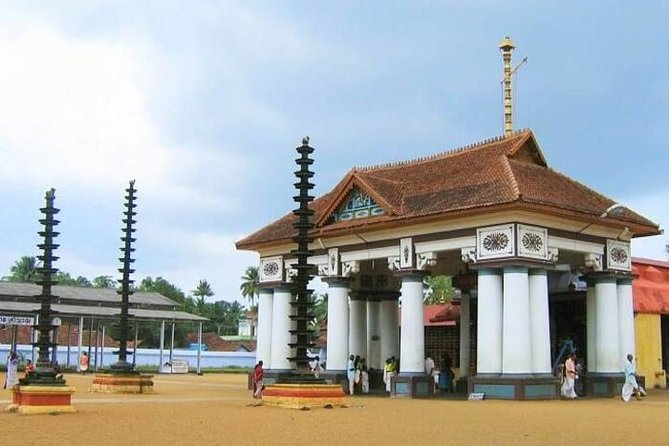
- Vaikom Mahadeva Temple as a meaningful start before you head into village lanes
- Khadi weaving centre visit where hand-spun and hand-woven work is explained as it happens
- Coir rope and pineapple-leaf mat weaving made from dried coconut husks and wild pineapple leaves
- Traditional Kerala lunch included, plus bottled water to keep the day easy
Getting From Kochi to Vaikom Village, Without Stress
Your day starts in Kochi at C.P.T Junction / Halt-Willingdon Island, with an 8:30 am departure. You’ll ride in an air-conditioned vehicle with your group, which is a big deal on a morning when Kerala humidity can feel like it’s already turned the dial up.
What I like about this format is that you’re not spending your energy figuring out transport or routes. You simply get dropped at the places that matter, on a schedule that’s long enough to see real village rhythms but short enough to still feel like a day trip.
This isn’t a tour built for power-walking. You’ll have village walking time and boat time, so you’ll want comfortable shoes and a bit of stamina. If you’re prone to rushing through sights, slow down a notch—some of the best moments here are quiet: watching hands work, listening to explanations, and noticing the way daily life is woven into the craft.
Vaikom Mahadeva Temple: Kerala’s Oldest Shiva Temple Feel
The day’s cultural center of gravity is Vaikom Mahadeva Temple. It’s located at Vaikom, about 40 km from Kottayam, and it’s known as one of the most famous and oldest Shiva temples in Kerala. Even if you’re not chasing architecture details, it’s worth stepping in for the atmosphere: this is a living religious place, not a staged photo stop.
Because admission for the Vaikom stop is listed as free, this part feels like a straightforward win in the tour value. I’d still plan to dress respectfully and be ready for temple etiquette, since temples in Kerala are community spaces as much as tourist attractions.
If you’re looking for a temple visit that’s tied to the village context you’re about to experience, this works well. You get a sense of how long-standing traditions sit right beside everyday labor—spinning, weaving, pottery, and backwater work.
More slow village days around Kumbalangi and the backwater hamlets.
Backwater Cruise on Open Country Boats: Watch for Wildlife
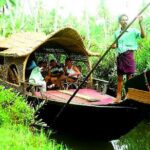
After the temple, you head toward the backwaters. The cruise is on an open country boat through natural narrow canals. This matters because the canals aren’t the same as a big scenic lake—there’s a sense of motion through waterways that feel locally used.
This portion gives you a chance to enjoy local water life like fishes, water snakes, shell fishes, tortoises, and frogs. You won’t control what you see, but the opportunity is part of the charm. I find it makes the ride feel less like sightseeing and more like watching nature and daily water rhythms share the same space.
Practical note: being on an open boat means you’ll feel the air and spray more than on a fully covered vessel. If you get chilly easily, bring something light you can wear or hold. If you get sunburn easily, protect your face and arms early, because you may be out on the water longer than you expect.
The Small Canoe Ride: The Best Backwater View for Real
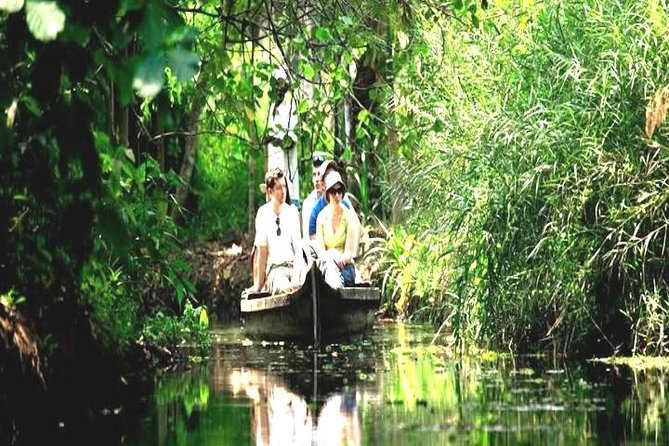
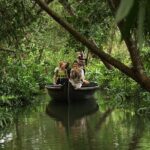
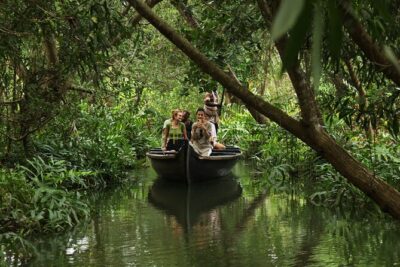
Here’s the moment that tends to stick with people: the smaller canoe ride. This is the part that gives you the sense of being right there in the narrow canals, close enough to notice detail in the water’s edge and the rhythm of the channels.
If you’ve ever watched backwater photos and wondered why they feel more dramatic in real life, this is the reason. In a small canoe, you move differently—closer to the waterline and surrounded by the canal walls and vegetation that define these waterways.
This also helps you understand why the tour is so focused on village life. When you’re in a narrow canal, you see how people are connected to water for movement, livelihoods, and simple daily tasks. It’s not just pretty scenery; it’s infrastructure for life.
One consideration: canoe rides can involve a bit of balance and shifting positions. The tour is described for moderate physical fitness, so if you’re dealing with mobility limits, you’ll want to move carefully and take guidance from your host.
More of the long trade-port history of Kochi.
- Jewish Heritage Tour of Cochin
★ 5.0 · 33 reviews - Stories of Jew Town: Guided Heritage Walk in Kochi
★ 4.7 · 30 reviews - Fort Kochi Heritage Day Cycling Tour
★ 4.2 · 26 reviews - Fortkochi Heritage Walking tour with a local guide
★ 4.4 · 19 reviews - Mattancherry Heritage Tour by The Kochi Heritage Project
★ 5.0 · 19 reviews - Heritage & Cultural Walk of Alleppey (Guided Walking Tour)
★ 4.5 · 15 reviews
Khadi Weaving Centre: From Yarn to Cloth in Plain Sight
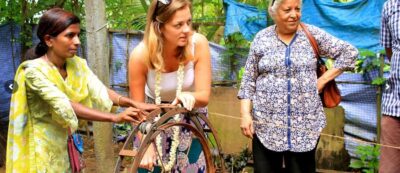
Next comes a short stop at the Khadi Weaving Centre. The point here isn’t to rush through a shop—it’s to watch villagers produce hand-spun and hand-woven cloth from yarns like cotton, silk, or wool.
What I like about this stop is that it gives you a practical way to connect the dots. You can see the difference between raw material and finished textile, and you’ll understand why hand-made cloth takes time. It also helps you spot how craft work stays rooted in local skills rather than being copied as a souvenir trend.
This is also a good moment to slow down and look at process. Watch hands, not only results. When you understand that someone spins or weaves using skill built over years, the finished cloth feels less like a product and more like a record of work.
If you’re hoping for a long workshop session, this is brief by design. The tradeoff is that you still get a broader village snapshot in the time window of the day.
Coir Rope, Pineapple Leaf Mats, and Village Work You Can Feel
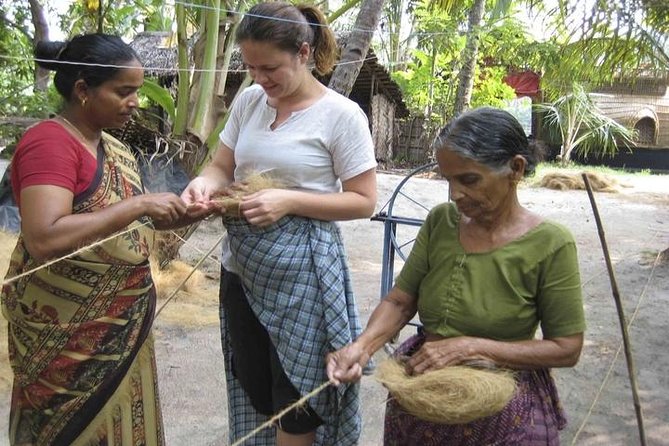
Walking through the village is where the tour turns from demonstrations into daily life. You get interaction with local villagers and their families, and you’ll see how people earn their livelihoods through craft.
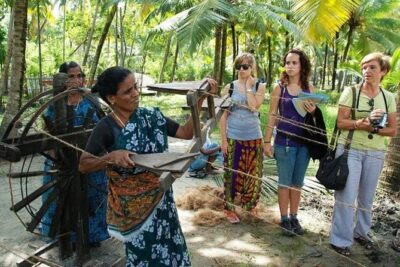
Some of the most memorable details are the materials. Ladies weave coir ropes from dried coconut husks—fiber work that depends on preparation, drying, and patience. You may also see straw mats woven from wild pineapple leaves. That’s the kind of detail that makes this tour feel real, because it’s not generic “handicrafts.” It’s local resources turned into useful items.
This part also helps you understand why Kerala crafts aren’t one-size-fits-all. Different households specialize, and different materials respond to different needs. Even if you don’t buy anything, you’ll walk away with a clearer sense of how village economies run.
The village walking itself is not described as strenuous, but it is part of the experience. Wear shoes you can trust and keep your pace easy. And if you’re the type who loves asking questions, this is the best time—village conversations tend to be the most informative when you’re already looking at the tools and materials.
Pottery With Ethnic Designs: The Hands Behind the Goods
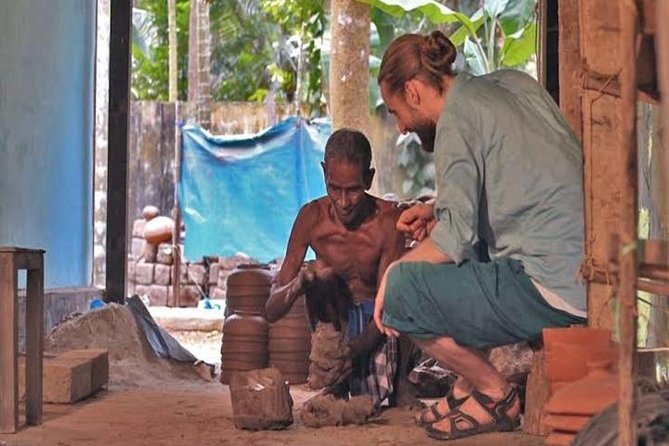
You’ll also see a local potter creating pots and vases with ethnic designs in clay. This is one of those craft stops that feels surprisingly grounding. Textiles are one kind of work—fine fibers and repetitive motions. Pottery is different: clay shaping, careful forming, and an eye for style that people recognize as part of their community identity.
What makes this worthwhile on a half-day schedule is that you’re seeing craft as a living skill. The potter isn’t just making items for the tourist market; they’re producing objects that fit local tastes and needs.
If you’re curious about cultural patterns, watch for the design language. Even without technical explanations, you’ll likely see how the designs communicate identity and tradition through recurring motifs.
And yes, you’ll probably think about buying after you’ve watched the process. Still, I’d recommend treating any purchases as a bonus, not the main event. The real value is the witnessing—your eyes learn faster than a brochure ever could.
Lunch and Timing: A Practical Break in a Busy Day
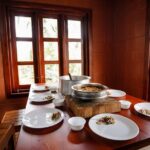
Lunch is included, and it’s described as a traditional Kerala meal. This matters because a lot of culture tours keep meals vague or optional. Here, you can plan your day around having food covered, which keeps energy steady for the backhalf of the visit.
Timing-wise, the tour runs about 5 to 6 hours. After lunch, if time allows, you can spend a bit more time around the village. That flexible window is a thoughtful touch. It gives you room to revisit something you liked, take a slower photo, or watch one craft longer.
As for what’s not included: alcoholic beverages aren’t part of the package. If that matters to you, plan accordingly and keep expectations in line.
Price and Value: What $106.67 Buys You Here
At about $106.67 per person for a 5 to 6 hour day, this isn’t the cheapest option on the Kochi-to-backwaters route. But it scores well on value because you’re getting multiple things bundled together: air-conditioned vehicle, bottled water, lunch, and all fees and taxes.
You’re also not just doing a single-sight tour. You’re combining temple culture, backwater cruising, a small canoe ride, textile craft viewing, coir and mat material work, pottery, and lunch. For me, that combination is what justifies the price.
There’s also a small travel-smart angle: the tour is described as private for your group. That means you’re not squeezed into a giant crowd where you can’t ask questions or pause to watch details.
Who Should Book This Vaikom Village Tour
This tour is a strong match if you want:
- A culture day that connects temple life to craft work
- Backwaters that feel close and personal through a small canoe ride
- Real village material details like coconut coir and pineapple-leaf mats
It’s also a good fit for couples, friends, or small groups who prefer a private experience over a bus-load schedule. If you’re the type who likes to observe and ask questions, you’ll get more out of it than a purely checklist-driven trip.
If you don’t like boats, you may feel less satisfied. And if you have low mobility or need fully flat, step-free walking, treat the moderate fitness note seriously and consider whether the village walk and canoe transitions will be comfortable.
Should You Book the Cultural Tour to Vaikom Village?
I’d book this if your ideal day includes hands-on-looking crafts, a meaningful temple stop, and a backwater ride you can feel in your body—not just see from far away. The small canoe component is the headline for a reason: it’s the best way to experience these narrow canals at human scale.
Book it sooner rather than later if you’re planning around fixed travel dates. The tour is commonly reserved about a month ahead, and it’s the kind of experience people tend to stick with once they find it.
If you want a relaxed half-day with a guide, lunch included, and genuine village work on display, this one is a solid pick.
FAQ
How long is the Vaikom Village cultural tour?
It lasts about 5 to 6 hours.
Where does the tour start in Kochi?
The meeting point is C.P.T Junction / Halt-Willingdon Island, Kochi, Kerala 682029, India.
What time does the tour begin?
The start time is 8:30 am.
Is this tour private?
Yes. It’s listed as a private tour/activity, and only your group participates.
What’s included in the tour price?
The tour includes bottled water, lunch, air-conditioned vehicle, and all fees and taxes.
Are drinks included?
Alcoholic beverages are not included.
What happens if the weather is bad or I cancel?
The experience requires good weather. If it’s canceled due to poor weather, you’ll be offered a different date or a full refund. You can cancel for a full refund up to 24 hours before the experience starts.
More Kochi History Tours
- Kochi Tour Guide -A Heritage walking tour in Fort kochi and Mattancherry !
★ 5.0 · 143 reviews - Fort Cochin Heritage Tour by The Kochi Heritage Project
★ 5.0 · 85 reviews - Jewish Heritage Tour of Cochin
★ 5.0 · 33 reviews - Stories of Jew Town: Guided Heritage Walk in Kochi
★ 4.7 · 30 reviews - Fort Kochi Heritage Day Cycling Tour
★ 4.2 · 26 reviews
More Tour Reviews in Kochi
- Adventure Tuk Tuk Tour in kochi – A Private Guided Tour with Hotel Pick up
★ 5.0 · 579 reviews - Cochin: Backwater Village Eco Boat Cruise with Lunch
★ 4.8 · 502 reviews - Full Day Backwater Village Punting Boat Cruise
★ 5.0 · 393 reviews - Kochi: Private Tuk-Tuk City Tour with Hotel Pickup
★ 4.8 · 292 reviews - 5 Days Luxury Kerala Tour with Houseboat Experience
★ 4.5 · 279 reviews
More Kumbalangi Village Days
- Cochin: Backwater Village Eco Boat Cruise with Lunch
★ 4.8 · 502 reviews - Full Day Backwater Village Punting Boat Cruise
★ 5.0 · 393 reviews - Half Day Village Backwater Eco Country Boat Cruise :Group Tour from Fort Cochin
★ 4.5 · 126 reviews - Sunrise Cruise with Village Life and Local Food
★ 5.0 · 82 reviews - Sunset Cruise with Village Life and Local Food
★ 5.0 · 24 reviews
Not quite it? More Kochi tours and Kerala day trips

Kumbalangi Village Life Tours, compared.
 ★ 4.8Backwater Village Eco Boat Cruise with LunchFrom $33502 reviews
 ★ 5.0Full Day Backwater Village Punting Boat CruiseFrom $29393 reviews
 ★ 5.0Anakulam Wild Elephant Village life tour ( By Munnar Info)From $70344 reviews
 ★ 4.5Half Day Village Backwater Eco Country Boat Cruise :Group Tour from Fort CochinFrom $33126 reviews
 ★ 5.0Sunrise Cruise with Village Life and Local FoodFrom $6782 reviews
 ★ 4.3Kerala: Alappuzha River Cruise with Village WalkFrom $2125 reviews
 ★ 5.0Sunset Cruise with Village Life and Local FoodFrom $6724 reviews
 ★ 5.0Village Bike Tour & BirdwatchingFrom $3018 reviews
Browse the lists this tour appears in