
Reviewed · FORT KOCHI & MATTANCHERRY HERITAGE WALKS
Mattancherry Heritage Tour by The Kochi Heritage Project
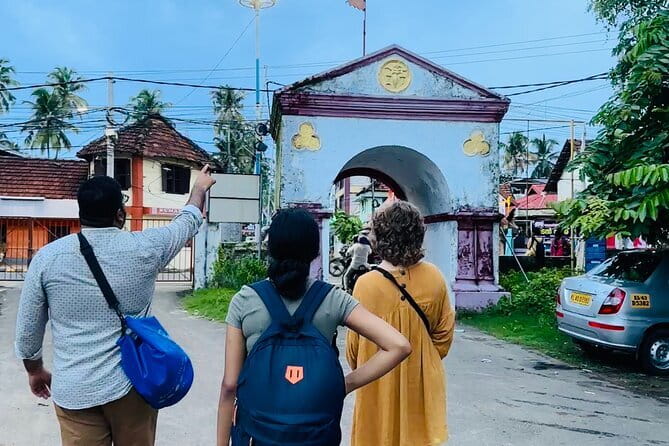
Mattancherry turns small streets into big stories. This heritage walk maps how dozens of Indian communities ended up living side by side in Kochi, all within about 3 kilometers, and it ends in front of the Mattancherry Royal Palace. I like that the tour keeps the focus on human stories you can see in the streets, from royal origins to the communities that shaped Cochin’s identity.
I especially like two parts. First, it’s a 2 to 3 hour stroll with a tight route, so you’re not stuck with half a day of transit and guessing. Second, the included coffee and/or tea tasting at a locally owned cafe makes the whole thing feel grounded in everyday food culture, not just plaques and facts.
One consideration: this is a walking tour and the operator does not provide rain gear. So weather and heat matter, and you’ll want to plan what you wear and bring, since there are no umbrellas or raincoats supplied.
In This Review
- Key highlights to look for on this Mattancherry Heritage Tour
- Why Mattancherry’s tiny radius feels like a whole city
- Tour pace, group size, and the “no private transport” reality
- Meeting at Nehru Memorial Town Hall, ending at Mattancherry Palace
- Stop 1: Ariyittu Vazhcha Kovilakom and the Cochin royal family origins
- Stop 2: Cochin Thirumala Devaswom Temple and a community that escaped persecution
- Stop 3: Cherlai and how the neighborhood keeps talking
- Stop 4: Gujarati Road and the North Indian community story
- Stop 5: Jew Town in Mattancherry and Kochi’s famous community
- Ending at the eastern gate of Mattancherry Palace
- What’s included, and why the tea or coffee tasting is more than a snack
- Price and value: $28.37 for a guided neighborhood story
- What to bring (and what they don’t provide)
- Who this Mattancherry Heritage Tour suits best
- Should you book this walk? My honest take
- FAQ
- How long is the Mattancherry Heritage Tour?
- Where does the tour start and where does it end?
- What is included in the price?
- Do you enter monuments during the tour?
- How big is the group?
- Is private transportation included?
- Is the tour dependent on weather?
Key highlights to look for on this Mattancherry Heritage Tour
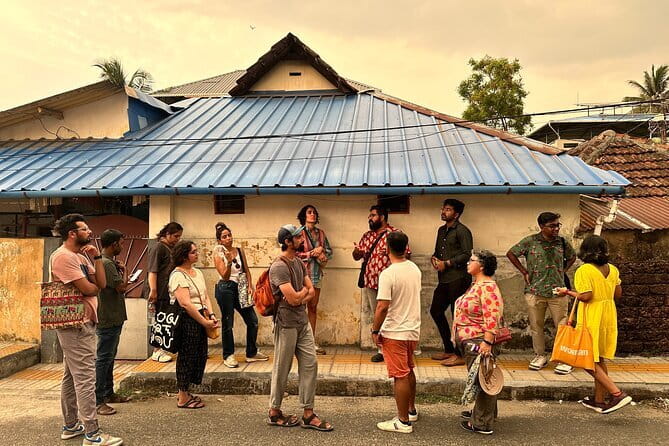
- A small-group walk (max 8 people) that keeps the storytelling feel personal and easy to ask questions in.
- Five community-focused stops, including Ariyittu Vazhcha Kovilakom, Cochin Thirumala Devaswom Temple, Cherlai, Gujarati Road, and Jew Town.
- Free admission tickets for the listed stops, so the schedule stays predictable.
- An included tea or coffee tasting of traditional community food at a locally owned cafe.
- A clear end point at the eastern gate of Mattancherry Palace, so you always know where you’re going.
- Mobile ticket convenience plus a meeting point near public transportation.
Why Mattancherry’s tiny radius feels like a whole city
Mattancherry is one of those Kochi neighborhoods where you can feel history without needing to hunt for it. Traders, travelers, and multiple communities with roots across India settled here, and they built a lived-in culture that stayed close to the harbor-side streets. The story the walk tells is basically about proximity: different groups, similar challenges, and steady coexistence in a small area.
What I like about this approach is that it avoids the usual museum format. Instead of reading a single straight-line “history of Kochi,” you get a sequence of community stories that add up to the bigger picture: how the Cochin Kingdom once centered here, and how the shift to Ernakulam came later. Even if you only have a few hours, this walk helps you connect neighborhoods to people.
You’ll also pick up a practical advantage. When you later wander on your own, you’ll recognize patterns: why certain communities settled where they did, how places get reused over time, and how streets act like memory. That makes the walk useful beyond the moment you’re standing there listening.
Tour pace, group size, and the “no private transport” reality
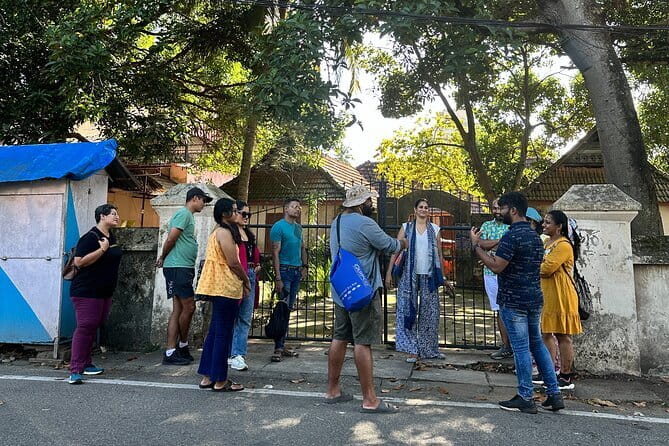
This experience is designed as a compact walking route. Expect about 2 to 3 hours, and expect to move through the old town at a steady pace rather than stopping every few minutes for photos.
The group size tops out at 8 travelers, which usually means less crowding and more conversation with the guide. It’s also easier to keep the route cohesive, especially around busier lanes. If you hate the feeling of being one more person in a long file, this format is a good fit.
The other logistics detail that matters: private transportation isn’t included. The meeting point is at Nehru Memorial Town Hall (Mattancherrybus stop on Town Hall Rd), and the tour ends at the eastern gate of Mattancherry Palace. You’ll likely rely on local public transport or a quick tuk-tuk to reach the start and then handle your own onward ride after.
More walks around Fort Kochi and Mattancherry, past the Chinese nets and the Jew Town spice lanes.



Meeting at Nehru Memorial Town Hall, ending at Mattancherry Palace
The tour starts near Nehru Memorial Town Hall in Mattancherry, at the Mattancherrybus stop area on Town Hall Rd. That location is handy because it gives you a real landmark to find, and it’s close to public transportation.
The ending point is just as important: you finish in front of the Mattancherry Palace, specifically at the eastern gate. That’s a satisfying stop because it ties your last minutes to the bigger theme of royal rule and the neighborhood’s former central role. It also makes it easier to plan your next activity, since you won’t be wandering around trying to guess where the walk concludes.
From what I’ve seen in similar Kochi Heritage Project walks, guides also think about real-world meet-up stress. A guide named Johann, for example, has coordinated with tuk-tuk timing so the handoff at the end is smoother. In a city where pickup points can get messy, that kind of care is genuinely helpful.
Stop 1: Ariyittu Vazhcha Kovilakom and the Cochin royal family origins
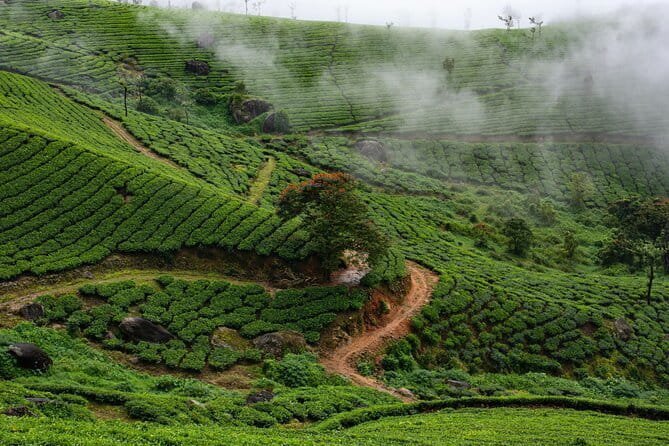
Your first stop is Ariyittu Vazhcha Kovilakom, with about 15 minutes set aside for the story. This is where the tour frames the royal layer of Mattancherry’s past: who the Cochin royal family was, and where their story begins.
Even in a short time, this stop matters because it gives you an anchor for the rest of the walk. When the guide later talks about community survival, settlement, and local culture, you can connect it to the power structures that shaped rules, safety, and opportunity. It’s easier to understand why some groups thrived nearby when you know the royal context in the background.
Practical note: the stop lists free admission tickets, so you’re not hit with extra entry fees at this point. Still, keep in mind that “free admission” doesn’t always mean “no lines.” I recommend building in a little patience, since old-town sites can have uneven foot traffic.
More of the long trade-port history of Kochi.
- Jewish Heritage Tour of Cochin
★ 5.0 · 33 reviews - Stories of Jew Town: Guided Heritage Walk in Kochi
★ 4.7 · 30 reviews - Fort Kochi Heritage Day Cycling Tour
★ 4.2 · 26 reviews - Fortkochi Heritage Walking tour with a local guide
★ 4.4 · 19 reviews - Mattancherry Heritage Tour by The Kochi Heritage Project
★ 5.0 · 19 reviews - Heritage & Cultural Walk of Alleppey (Guided Walking Tour)
★ 4.5 · 15 reviews
Stop 2: Cochin Thirumala Devaswom Temple and a community that escaped persecution

Next comes the Cochin Thirumala Devaswom Temple, around 30 minutes. The angle here is personal and historical at the same time: the tour explains how a community escaped persecution and then made Cochin their home.
This stop is where the walk shifts from royal origins into human migration. You’re not just hearing about where people lived; you’re learning why they ended up in Mattancherry and how religious life, local leadership, and everyday safety intersect. For a traveler, that kind of context makes the neighborhood feel less random and more intentional.
This is also one of those moments where a good local storyteller makes a difference. You can read a generic sign about a temple pretty quickly. But you’ll remember the version that ties the site to the reasons people arrived, adjusted, and stayed.
Like the first stop, it’s marked as free admission for the included visit. Plan for about half an hour on-site, which is enough time for the explanation without turning the walk into a slow crawl.
Stop 3: Cherlai and how the neighborhood keeps talking
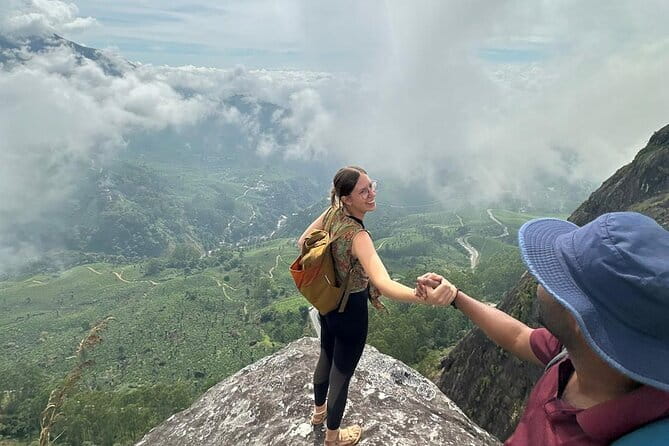
After that, you head to Cherlai, again with about 30 minutes. This part of the route works like a bridge between the major identity stories and the smaller, street-level details.
Cherlai in the itinerary is less about a single landmark moment and more about adding another layer to how Mattancherry evolved. You’ll hear more stories from the old town, and the way the guide moves you through the area helps you see relationships: between community boundaries, shared spaces, and the daily rhythms that kept this quarter functioning.
One thing I appreciate here is the balance. Too many heritage walks get stuck in either royal politics or religion only. This one spreads the time so the experience feels like a lived-in neighborhood, not a sequence of separate tourist sights.
Stop 4: Gujarati Road and the North Indian community story
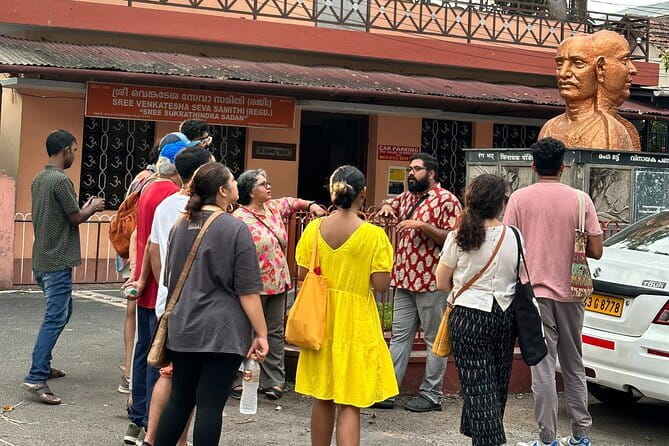
Next is Gujarati Road, around 30 minutes, focused on the largest North Indian community and how they made Kochi their home.
This stop is where the walk becomes especially useful if you’ve spent time in India’s major regions and want to connect them to each other locally. You start to see how migration patterns played out in a port city: trade links, work, networks, and social support all feeding into where people settled.
If you like to travel with your brain switched on, this is a good place to ask follow-up questions. The guide’s job here is to help you connect community identity to geography. That’s hard to do from a guidebook page, but easy when you’re standing on the street where the story is anchored.
Also, since the tour keeps admissions free at the listed stops, you can focus on the explanation without constantly thinking about costs.
Stop 5: Jew Town in Mattancherry and Kochi’s famous community
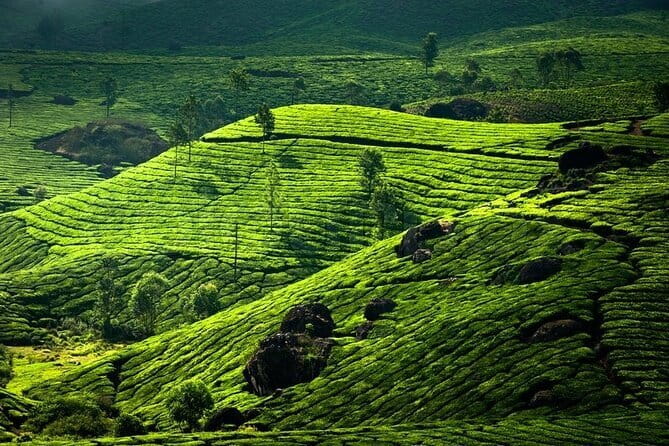
Your final main stop before the palace is Jew Town, about 20 minutes. This is one of Mattancherry’s best-known identity zones, and the walk uses it to deliver stories from Kochi’s most famous community.
Twenty minutes can feel short, but it’s set up to be enough time for the key narrative without draining your energy right before the end. If you arrive with even a small interest in how diaspora communities shaped port cities, this is where your notes and mental map start clicking.
The practical value is that the guide helps you see beyond the obvious. You’re learning what made the community distinct locally and how that shaped the neighborhood’s culture. After the walk, you’ll be better prepared to recognize what to look for during your own wandering.
Ending at the eastern gate of Mattancherry Palace
The tour ends in front of the Mattancherry Palace, at the eastern gate. That ending choice is smart: it gives the walk a “close the loop” feeling. You started with royal origins, and you finish with the royal physical presence.
This is also the right place to take stock. After the community stories, the palace isn’t just a big building. It becomes part of the explanation for why Mattancherry mattered, who benefited, and how the neighborhood’s identity was shaped in relation to power.
Since the tour ends at a specific gate rather than a vague area, you can plan your next steps without stress. Grab a meal nearby, pop into a nearby shop, or arrange a tuk-tuk with a clear destination.
What’s included, and why the tea or coffee tasting is more than a snack
The tour includes a few items that actually affect how satisfying the walk feels.
- A local storyteller leads the route. The best part of a guided walk isn’t the facts alone. It’s how the guide organizes them so you remember what you saw.
- You also get coffee and/or tea tasting of traditional community food at a locally owned cafe. This is the moment where the stories meet your senses.
- You’ll get to witness old-town life as you move through the neighborhood on foot.
That cafe tasting is particularly valuable because it turns the tour into a two-part experience: story first, then taste. It’s a simple way to deepen understanding without extending the tour into a half-day commitment.
One more small point: the tour uses a mobile ticket, which reduces the hassle of printing or losing paper. In a city like Kochi, where you might be bouncing between a few plans, that kind of convenience matters.
Price and value: $28.37 for a guided neighborhood story
At $28.37 per person, this isn’t a “quick look” free-walk. But it also isn’t a high-ticket private guide situation. For the money, you’re paying for a structured route, a storytelling guide, and a included cafe tasting, plus free admission tickets for the listed stops.
The value equation becomes clear when you think about what usually costs money in India: guide time, entry fees, and food. Here, admissions for the listed stops are marked free, and you’re already getting a food-related tasting included. With a small group size cap of 8, you’re also less likely to feel rushed.
If you enjoy cultural context and street-level geography, this price makes sense. If you only want one or two photo moments and don’t care about stories, you might find it more rewarding to spend the time with self-guided wandering instead. The walk is built for meaning, not just views.
What to bring (and what they don’t provide)
The operator doesn’t provide umbrellas, raincoats, hats/caps, face-masks, or sanitizers. So if you’re traveling in rainy season or you’re sensitive to sun and heat, plan ahead.
Here’s what I’d prioritize based on the tour style:
- Comfortable walking shoes (you’ll be on your feet for the full route).
- Sun protection you can carry yourself.
- A light layer in case the day is breezy, since coastal weather can shift.
- Small patience. Old-town streets can be uneven and busy.
Also, the tour notes that good weather is required. If the day is weather-bad, the experience may be canceled and you’ll be offered a different date or a full refund. That’s not a minor detail here; it’s central to how a walking tour works.
Who this Mattancherry Heritage Tour suits best
This is a strong pick if:
- you want a short, structured way to learn Kochi beyond the big-name sights
- you like community-focused stories that connect people to place
- you enjoy food culture and want an included tasting
- you prefer a smaller group with room for questions
It’s also a decent choice if you’re traveling solo or as a couple, since the route is designed for up to 8 people and runs on a clear beginning and end point.
If you hate walking, need frequent long breaks, or want to maximize time inside monuments beyond what’s on the list, you may feel constrained. The tour is built around the curated route and the specific included stops.
Should you book this walk? My honest take
Book it if you want a practical way to understand Mattancherry’s identity. For 2 to 3 hours, you get a guided route through community-linked stops, plus an included tea or coffee tasting that makes the whole experience feel real. The structure also helps you later explore Kochi with a better map in your head.
Skip it (or pair it with something else) if your travel style is mostly photo hunts and minimal talking. This tour rewards curiosity. If you like to ask why people ended up in certain neighborhoods, you’ll get a lot out of it.
If you’re deciding between time slots, pick the one that avoids the worst heat and gives you decent visibility on the streets. A good walking day is half the success.
FAQ
How long is the Mattancherry Heritage Tour?
It lasts about 2 to 3 hours.
Where does the tour start and where does it end?
It starts near Nehru Memorial Town Hall at the Mattancherry bus stop on Town Hall Rd in Mattancherry. It ends at the eastern gate of the Mattancherry Palace.
What is included in the price?
The tour includes a local storyteller-led walk and a coffee and/or tea tasting of traditional community food at a locally owned cafe.
Do you enter monuments during the tour?
You only enter heritage monuments listed in the itinerary stops. The tour does not enter other heritage monuments outside the curated route.
How big is the group?
The tour has a maximum of 8 travelers.
Is private transportation included?
No, private transportation is not included.
Is the tour dependent on weather?
Yes. The experience requires good weather, and if it’s canceled due to poor weather, you’ll be offered a different date or a full refund.
More Kochi History Tours
- Kochi Tour Guide -A Heritage walking tour in Fort kochi and Mattancherry !
★ 5.0 · 143 reviews - Fort Cochin Heritage Tour by The Kochi Heritage Project
★ 5.0 · 85 reviews - Jewish Heritage Tour of Cochin
★ 5.0 · 33 reviews - Stories of Jew Town: Guided Heritage Walk in Kochi
★ 4.7 · 30 reviews - Fort Kochi Heritage Day Cycling Tour
★ 4.2 · 26 reviews
More Tour Reviews in Kochi
- Adventure Tuk Tuk Tour in kochi – A Private Guided Tour with Hotel Pick up
★ 5.0 · 579 reviews - Cochin: Backwater Village Eco Boat Cruise with Lunch
★ 4.8 · 502 reviews - Full Day Backwater Village Punting Boat Cruise
★ 5.0 · 393 reviews - Kochi: Private Tuk-Tuk City Tour with Hotel Pickup
★ 4.8 · 292 reviews - 5 Days Luxury Kerala Tour with Houseboat Experience
★ 4.5 · 279 reviews
More Fort Kochi Heritage Walks
- Fortkochi Sightseeing Tuk-Tuk Tour
★ 5.0 · 205 reviews - Private Fort kochi Tuk-Tuk Tour
★ 5.0 · 149 reviews - Half-Day Private Tuk Tuk Tour in Fort Kochi
★ 5.0 · 147 reviews - Kochi Tour Guide -A Heritage walking tour in Fort kochi and Mattancherry !
★ 5.0 · 143 reviews - Half Day Village Backwater Eco Country Boat Cruise :Group Tour from Fort Cochin
★ 4.5 · 126 reviews
Not quite it? More Kochi tours and Kerala day trips



Fort Kochi & Mattancherry Heritage Walks, compared.
 ★ 5.0Fortkochi Sightseeing Tuk-Tuk TourFrom $12205 reviews
 ★ 5.0Private Fort kochi Tuk-Tuk TourFrom $12149 reviews
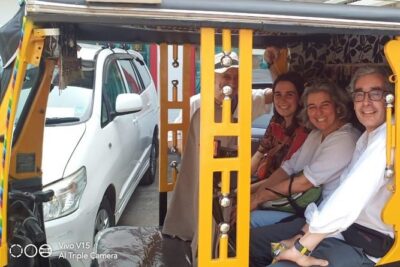 ★ 5.0Half-Day Private Tuk Tuk Tour in Fort KochiFrom $9147 reviews
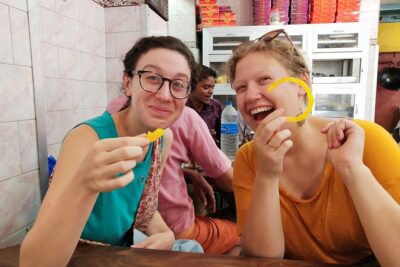 ★ 5.0Kochi Tour Guide -A Heritage walking tour in Fort kochi and Mattancherry !From $15143 reviews
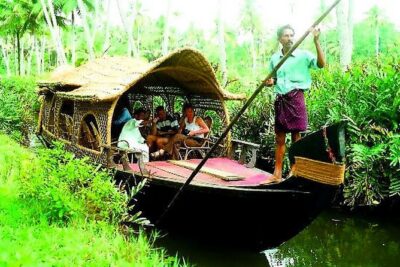 ★ 4.5Half Day Village Backwater Eco Country Boat Cruise :Group Tour from Fort CochinFrom $33126 reviews
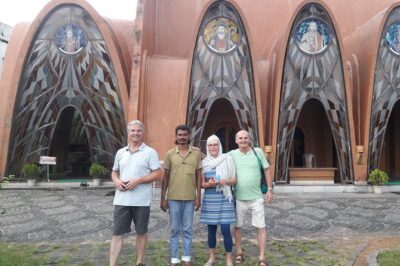 ★ 5.0Kochi Old City TourFrom $11104 reviews
 ★ 5.0Fort Kochi Local Sightseeing TourFrom $1294 reviews
 ★ 5.0Fort Cochin Heritage Tour by The Kochi Heritage ProjectFrom $2785 reviews
Browse the lists this tour appears in