
Reviewed · KOCHI FOOD & COOKING EXPERIENCES
Kerala Traditional village cooking class (Munnar)
Cooking in a real Munnar home beats restaurants.
This Kerala traditional village cooking class in Munnar is interesting because you’re not just watching food being made. You start with a market visit and ingredient talk, then cook and eat a full spread that reflects everyday village cooking.
What I liked most: the class is run by Mr Raveendra kumar and Mrs selvi, and their focus stays on produce, technique, and why flavors work in Kerala. I also love how the experience moves from lecture to hands-on cooking in groups, so you’re actually doing the prep and learning by doing—not just taking photos. One thing to plan around: even though it’s listed as 4 hours, it can run 1 hour longer depending on the dishes.
In This Review
- Key Things You’ll Notice Right Away
- A Kerala Village Kitchen, Hosted by Raveendra Kumar and Selvi
- Market Visit in Munnar: Picking Ingredients That Actually Taste Like Kerala
- The Menu: Appam and Stew, Fish Curry, Avial, Puttu and Kadala Curry
- Ingredient Primer: Coconut Milk, Curry Leaves, Mustard Seeds, and the Spice Roles
- Live Demonstration to Hands-On Cooking: You’ll Cook, Not Just Watch
- The Feast: Tasting Session, Food Discussion, and Welcome Drinks
- Q&A Wrap-Up and the Travel Guidance That Helps Your Day
- Who This Cooking Class Is Best For
- Price and Logistics: Is $21 Good Value?
- Should You Book the Munnar Village Cooking Class?
- FAQ
- How long is the Kerala Traditional village cooking class in Munnar?
- What’s included in the class?
- Is pickup and drop included?
- Is this a private group experience?
- What languages are spoken during the class?
- Is the cooking class wheelchair accessible?
- Are vegetarian dishes part of the menu?
- Is alcohol allowed during the activity?
Key Things You’ll Notice Right Away
- Hosted by Raveendra Kumar and Selvi with years of teaching experience since 2001
- Market visit included, so you see and pick ingredients before cooking
- A full Kerala menu drawn from veg and non-veg options, plus welcome drinks and dessert
- Ingredient lessons up front covering coconut milk, curry leaves, mustard seeds, and key spices
- Hands-on cooking in small groups, with guidance and plenty of tasting
- English, Tamil, and Malayalam support, plus pen-and-paper notes for recall
A Kerala Village Kitchen, Hosted by Raveendra Kumar and Selvi
The heart of this experience is the fact it’s run like a family home lesson, not a staged demo. The class is guided by Mr Raveendra kumar and Mrs selvi, and they’ve been welcoming people and teaching Kerala cooking since 2001. That kind of longevity matters. You can feel it in the pacing: start with understanding, then cook, then eat—without rushing.
It’s also a private group, which changes the vibe. Questions don’t feel like interruptions. You can ask about ingredient choices, cooking order, or what to look for when something is cooked “the Kerala way,” and you’re more likely to get a real answer instead of a quick general tip.
One practical plus: the instruction is available in English, Tamil, and Malayalam. If you’re visiting with a friend who prefers a different language, or you’re not confident speaking Hindi/other Indian languages, you’ll still have a clear path to understand what’s happening.
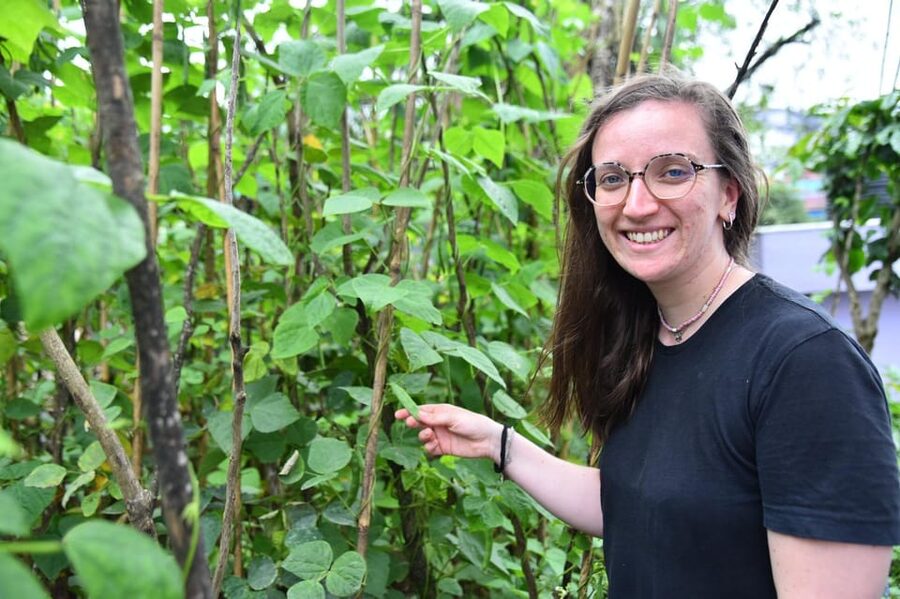
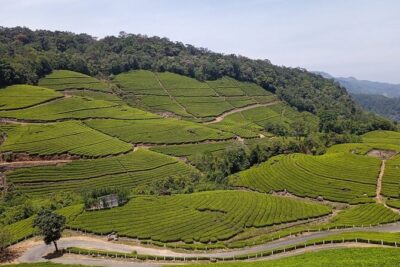
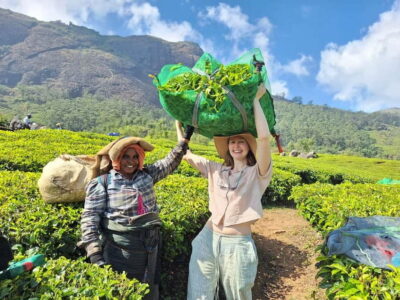
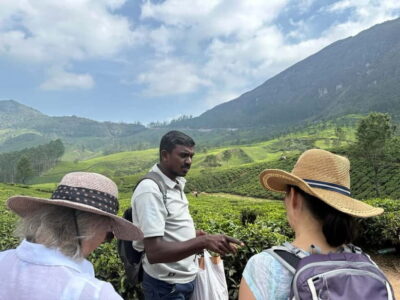
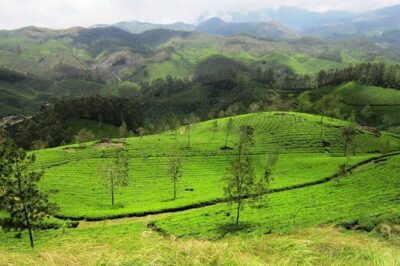
And it’s not just cooking. The class theme includes village lifestyle, time with the hosts, and time to look at things like tea estate surroundings and local fruits, vegetables, and spices (depending on what fits your group and session flow).
Market Visit in Munnar: Picking Ingredients That Actually Taste Like Kerala
A market visit in Munnar isn’t just a cute add-on. It’s a shortcut to understanding Kerala cooking because you learn what people use locally and what’s fresh enough to matter.
You’ll go out to select produce and ingredients tied to the dishes you’ll cook. In practical terms, this helps you spot ingredients by smell, color, and freshness. In Kerala cuisine, small differences can shift the whole flavor—like how the coconut component tastes, or how bright a spice feels when it’s freshly ground or used in the right stage.
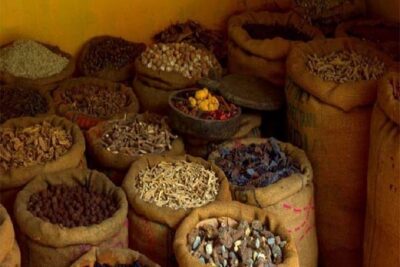
You’re also learning the logic behind “medicinal supplements” being part of the cooking conversation. The class frames many spices and cooking ingredients as more than flavor. Spices like turmeric, cumin, coriander, and the way curry leaves are used come up in the ingredient explanations, and you’ll see how they’re woven into everyday cooking rather than treated like a museum exhibit.
One more tip: bring your curiosity. Ask why certain ingredients are used for certain dishes. When you connect the market ingredient to the final plate, you remember it later when you try to cook at home.
More of the Kerala table, from a Fort Kochi food walk to a home cooking class.
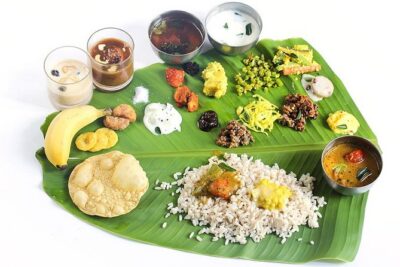
The Menu: Appam and Stew, Fish Curry, Avial, Puttu and Kadala Curry
Kerala menus can look intimidating until you realize they’re built with repeatable building blocks. This class gives you a mix of dishes so you learn more than one “method family.”
The menu is organized into veg, non-veg, snacks, welcome drinks, and dessert. The exact selection depends on what’s finalized for your session, and the menu should be confirmed at least 12 hours before the class starts. That matters because it suggests the hosts plan their ingredients and workflow in advance.
From the class examples, you might see classics like:
- Appam and stew
- Fish curry
- Avial
- Puttu and kadala curry
- Plus snacks and dessert, and a welcome drink
If you’re vegetarian, you’ll still get plenty to work with. Even when non-veg options appear on the overall plan, you’re in a structured class, not a buffet where you’re left guessing what you can eat or cook.
If you do eat non-veg, the fish curry style is a common highlight because it forces you to understand timing and seasoning balance. You can learn a lot from watching when spices go in, and how the cooking process changes the sauce.
Bottom line: you’re not just tasting Kerala. You’re learning how the menu is assembled from core flavors and techniques.
Ingredient Primer: Coconut Milk, Curry Leaves, Mustard Seeds, and the Spice Roles
Before anyone touches a stove, you get an ingredient explanation. This is one of the best parts for anyone who wants to cook after the trip.
You’ll cover essentials used in Kerala cuisine, including:
- Coconut milk
- Curry leaves
- Mustard seeds
- Spices like turmeric, coriander, and cumin
Why this matters: many people think Kerala cooking is only about heat or only about spice blends. In reality, it’s about layering. Coconut changes texture and rounds sharpness. Curry leaves add a fragrant edge that shows up even when the sauce isn’t “spicy.” Mustard seeds bring a specific aromatic pop when handled correctly.
You’ll also hear the “medicinal supplement” thread, which—without getting too scientific—helps you understand why certain ingredients appear so often in daily meals. It explains the repetition you notice when you eat in Kerala: the ingredients aren’t random. They’re chosen.
When I’m trying to recreate dishes later, this ingredient foundation is what lets me adjust with confidence instead of just copying recipes blindly.
- Munnar Tea Trail Tour with Factory Experience ( By Munnar Info)
★ 5.0 · 458 reviews - Anakulam Wild Elephant Village life tour ( By Munnar Info)
★ 5.0 · 344 reviews - Half Day Hiking in Munnar Trekking Tour
★ 5.0 · 89 reviews - Munnar Tea valley Tour ( By Munnar Info)
★ 5.0 · 83 reviews - Munnar Private Day Trip
★ 4.6 · 70 reviews - Sunrise Tour in Top Station, Munnar ( By Munnar Info)
★ 5.0 · 56 reviews
Live Demonstration to Hands-On Cooking: You’ll Cook, Not Just Watch
The class is built in steps.
First, you’ll see live cooking demonstrations, with the host explaining:
- The step-by-step procedure
- When ingredients go in
- Techniques and how heat changes the flavor
- Tips for getting a more authentic result
- Time for questions during the process
Then you shift into hands-on mode.
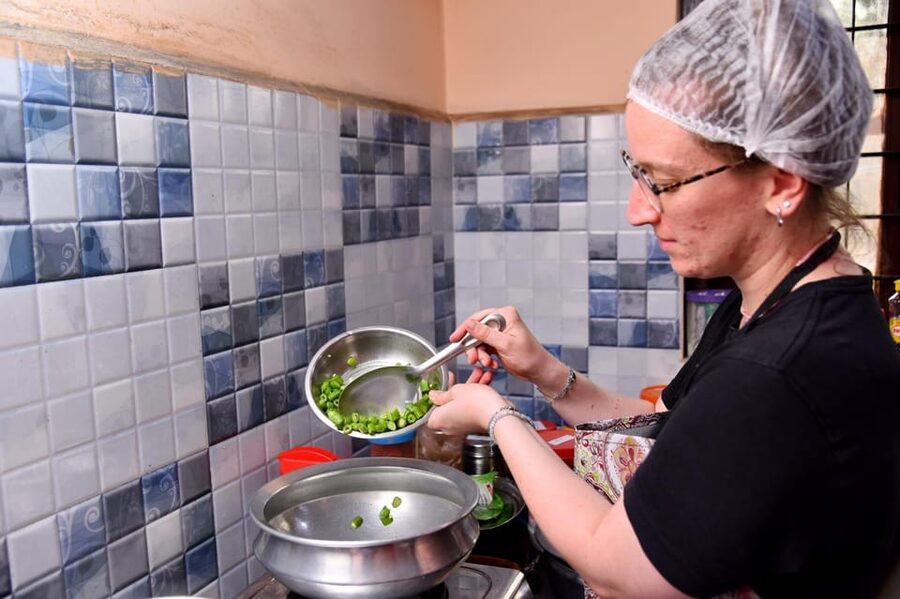
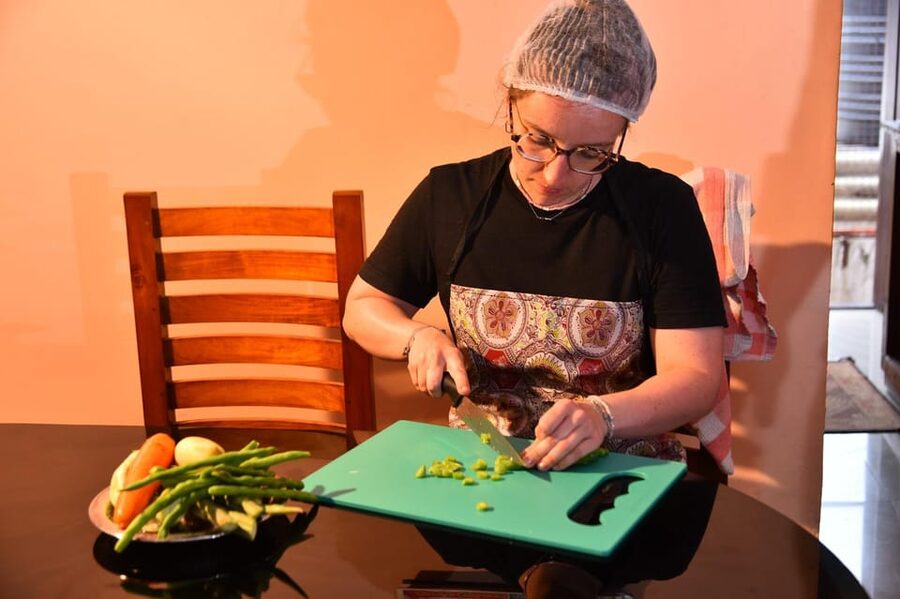
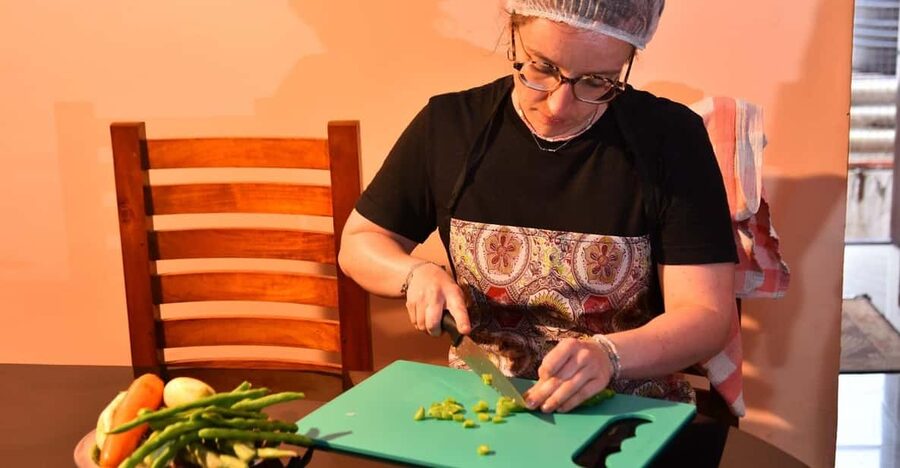
You’ll be divided into groups, and each group is assigned a dish to prepare under guidance. You’ll also get individual help if you get stuck—because this isn’t meant to be an exam. It’s meant to get you cooking with better instincts.
Included items make this easier. You’ll be given essentials like:
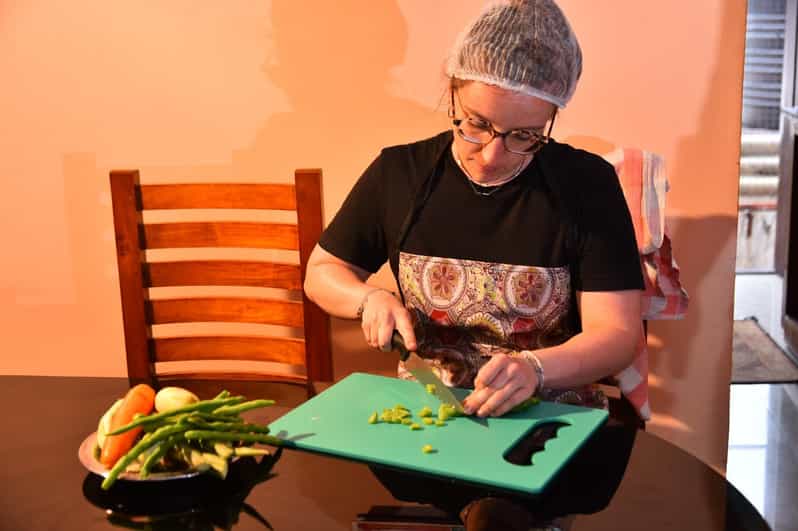
- Knife
- Apron
- Cutting board
- Pen and paper for notes
A small but meaningful detail: having your own cutting setup and apron reduces stress. You can focus on learning rather than improvising tools while your onions are turning into a tragedy.
One practical timing note: the activity is listed as 4 hours but may extend by an hour or more. Cooking classes run long for two reasons—more dishes take longer than expected, and people ask more questions once they’re actually cooking. If your day is packed, leave a time buffer.
The Feast: Tasting Session, Food Discussion, and Welcome Drinks
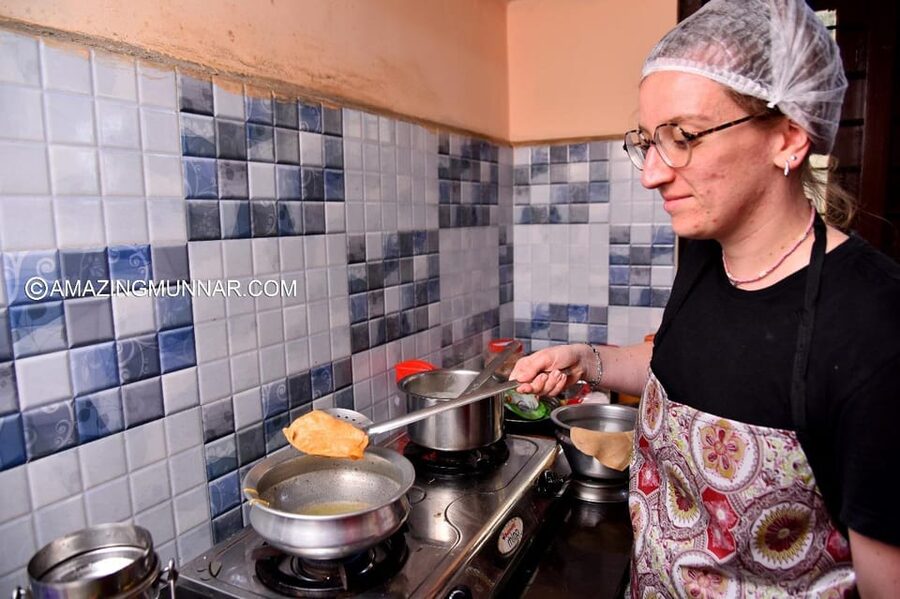
Once the dishes are ready, the class moves into a tasting session. This isn’t just “eat and leave.” You’ll discuss flavors, textures, and aromas dish by dish. The hosts encourage you to share feedback and experiences, which is where the learning clicks.
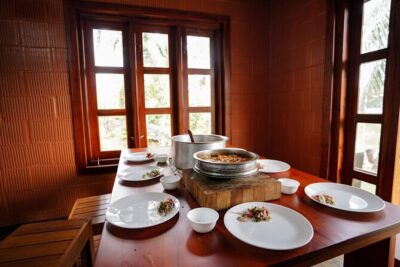
What you’ll taste can include the dishes you cooked plus snacks and welcome drinks. In many sessions, people enjoy Kerala-style tea and snack items like banana-based treats alongside the main courses—so don’t be surprised if your schedule includes a warm, casual break during the cooking flow.
How to get more value from the tasting: taste in order and pay attention to what changes between dishes. Ask yourself:
- Does the coconut base make the sauce feel heavier or smoother?
- Do curry leaves create a different aroma than a plain spice mix?
- Does the dish feel balanced (sweet-sour-salty-bitter) or one-note?
If you plan to cook later, this is when you write down what you liked. Your pen-and-paper tools from earlier are worth using again right here.
Q&A Wrap-Up and the Travel Guidance That Helps Your Day
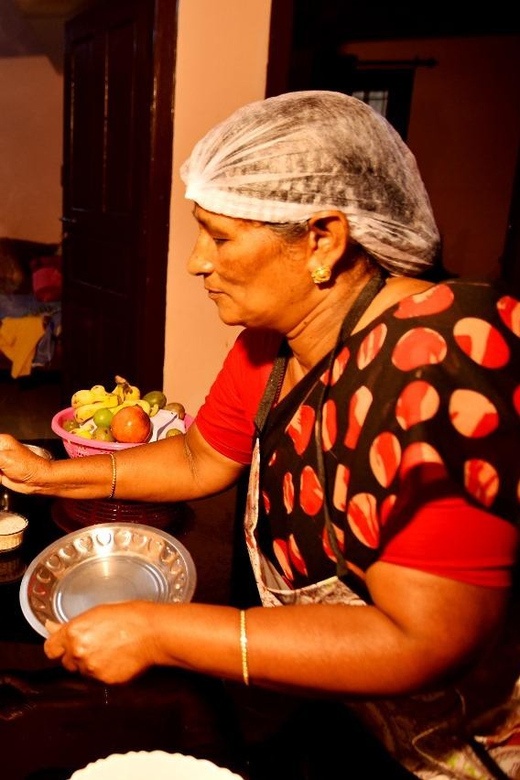
After cooking and tasting, you finish with a Q&A session. This is a good time to ask about substitutions, spice levels, and what to do if an ingredient behaves differently at home (fresh coconut vs. packaged coconut milk, for example).
There’s also travel guidance included. It’s not a full guided itinerary for every attraction, but it’s helpful if you want practical suggestions for what to do next in and around Munnar. If tea estate time is part of your earlier session flow, you’ll likely get more context from the hosts about the surroundings you’ve already seen.
And because it’s a private group, you can tailor questions to your interests rather than listening to a generic talk that fits everyone.
Who This Cooking Class Is Best For
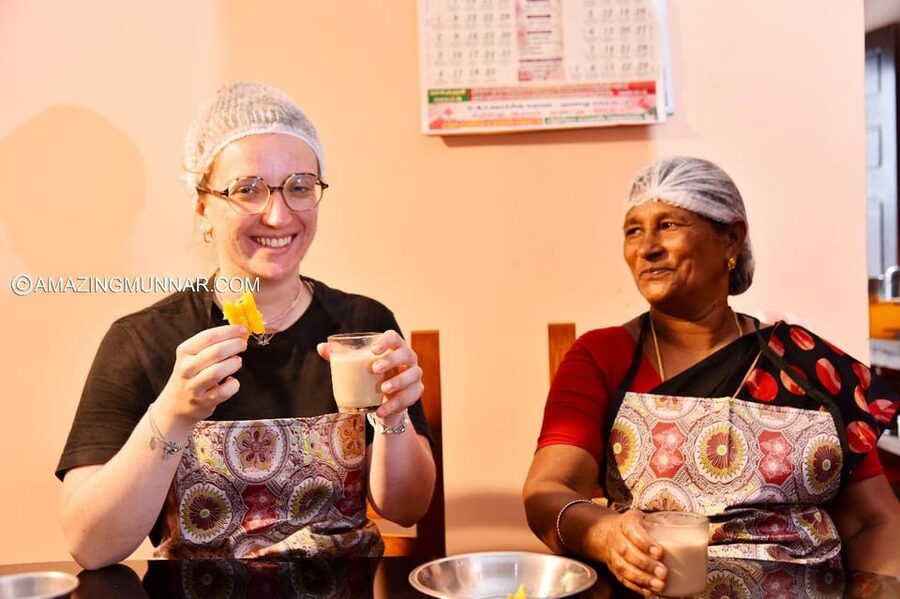
This is for you if you want Kerala through the daily rhythm of cooking. It works especially well for:
- Food lovers who like practical lessons
- People traveling in a small group who want a more personal experience
- Guests who enjoy market-to-table structure
- Anyone interested in how spices and coconut work across multiple dishes
A few important fit notes:
- The class is wheelchair accessible, which is a big plus for Munnar activities.
- It’s not suitable for people with visual or hearing impairments, based on how the class is delivered.
- Pets are not allowed, and alcohol and drugs aren’t allowed during the activity. The environment is set up to be family-friendly and focused on cooking and food.
If you’re looking for a cooking class that feels like learning from real people in a real home, this one tends to hit that mark.
Price and Logistics: Is $21 Good Value?
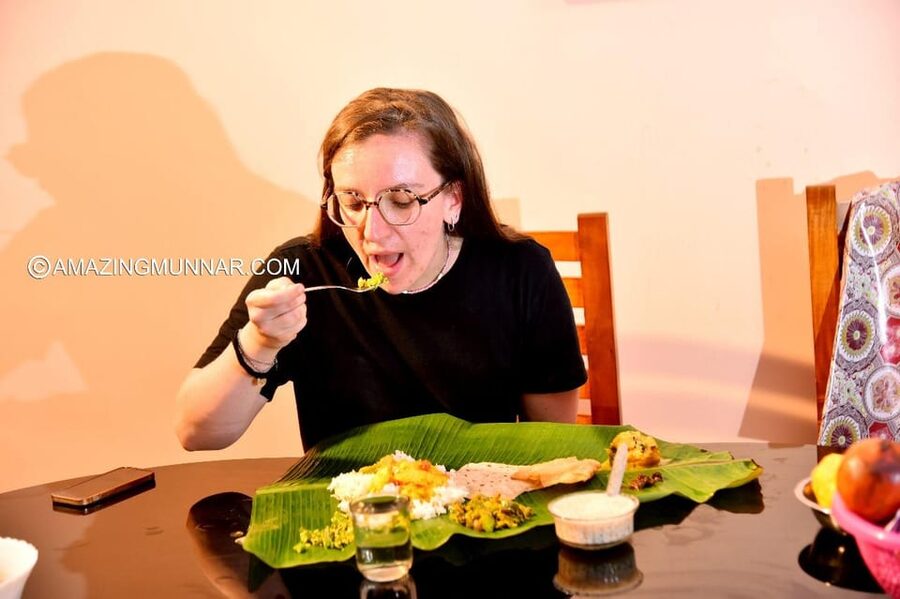
At $21 per person, this class is good value if you treat it like a full half-day meal experience plus training.
Here’s what you get that you’d otherwise pay for separately:
- Market visit (time + guidance choosing ingredients)
- Lecture and demonstration
- Hands-on cooking with a host
- Meal and snacks as part of the experience
- Cooking tools provided: knife, apron, cutting board
- Water bottle
- Travel guidance
- Notes: pen and paper
And because the hosts have teaching experience going back to 2001, you’re not paying for a one-off performance—you’re paying for repetition, patience, and a structured lesson.
Logistics to plan around:
- Pickup and drop is included only within 2 km from Munnar town.
- If your hotel is outside that range, pickup is available but there are additional charges.
So if you’re staying farther out, message in advance and plan your meeting point with care. It’s the one area where you can save yourself confusion by being proactive.
Should You Book the Munnar Village Cooking Class?
Yes, I’d book it if your trip includes Munnar and you want more than sightseeing. This is one of the better ways to understand Kerala food quickly because you combine market ingredients, ingredient explanations, hands-on cooking, and then a proper tasting.
Book it if you:
- Like cooking classes where you actually cook
- Want a Kerala menu experience that can include both veg and non-veg
- Prefer a small, private setup with clear language support (English, Tamil, Malayalam)
Consider skipping or choosing another option if:
- Your schedule is tight and you can’t handle the class potentially running up to an extra hour
- You need accommodations beyond what the activity is set up for visually or hearing-wise
- You’re relying on hotel pickup from far outside the 2 km radius without checking extra costs first
FAQ
How long is the Kerala Traditional village cooking class in Munnar?
The experience is listed as 4 hours, but it may extend 1 hour or more depending on the dishes.
What’s included in the class?
You get lecture and demonstration, meal and snacks, a water bottle, a market visit, travel guidance, knife/apron/cutting board, and pen and paper.
Is pickup and drop included?
Yes, pickup and drop are offered within 2 km radius from Munnar town. If your hotel pickup is outside that area, additional charges apply.
Is this a private group experience?
Yes, it’s listed as a private group.
What languages are spoken during the class?
The instructor supports English, Tamil, and Malayalam.
Is the cooking class wheelchair accessible?
Yes, it’s described as wheelchair accessible.
Are vegetarian dishes part of the menu?
The menu is categorized into Veg and Non-Veg, along with snacks, welcome drinks, and dessert.
Is alcohol allowed during the activity?
No. Alcohol and drugs are not allowed, and alcoholic drinks in the vehicle are also not allowed.
If you tell me your dietary preferences (veg only, or you’re open to fish/non-veg), I can help you decide what to ask before you go so your menu fits your taste.
More Kochi Workshops
- WE COOKS- Home Cooking Class in Munnar
★ 5.0 · 18 reviews
More Tour Reviews in Munnar
- Munnar Tea Trail Tour with Factory Experience ( By Munnar Info)
★ 5.0 · 458 reviews - Mountain Hiking in Munnar (half day) By Munnar Info
★ 5.0 · 390 reviews - Anakulam Wild Elephant Village life tour ( By Munnar Info)
★ 5.0 · 344 reviews - Half day trekking (munnar valley Trekking & Tours )
★ 5.0 · 310 reviews - Full day in hiking in Munnar (By Munnar Info)
★ 5.0 · 176 reviews
More Kochi Food & Cooking
- Munnar: Tea trail, Tea Factory, and Tea Tasting Tour
★ 4.9 · 47 reviews - Munnar Tea Trail Tour , Tea factory visit & Tea Tasting
★ 5.0 · 25 reviews - WE COOKS- Home Cooking Class in Munnar
★ 5.0 · 18 reviews
Not quite it? More Kochi tours and Kerala day trips



Kochi Food & Cooking Experiences, compared.
 ★ 5.0Sunrise Cruise with Village Life and Local FoodFrom $6782 reviews
 ★ 4.9Munnar: Tea trail, Tea Factory, and Tea Tasting TourFrom $1347 reviews
 ★ 5.0Enjoy the best Food tour in kochi with a local !From $1945 reviews
 ★ 5.0Learn Traditional Kerala Meal in KumarakomFrom $8935 reviews
 ★ 4.5Local Street Food Guided Walking Tour with TastingsFrom $2334 reviews
 ★ 4.5Food Walk Alleppey (2 Hours Guided Local Food Tasting Experience)From $2331 reviews
 ★ 4.5Hands-on Authentic Keralite Cooking Class – Learn, Cook, Eat & Enjoy!From $3529 reviews
 ★ 5.0Munnar Tea Trail Tour , Tea factory visit & Tea TastingFrom $1425 reviews
Browse the lists this tour appears in